One Pocket, a billiards discipline revered for its profound strategic complexity and mental demands, stands as a true duel of intellects on the green baize. Unlike the explosive speed of 9-Ball or the sequential precision of 8-Ball, One Pocket is a tactical marathon where patience, defensive cunning, and brilliance in cue ball management are as crucial, if not more so, than the simple ability to pocket balls. This article delves into the essence, history, strategies, and legends of this captivating discipline.
Origins and History: A Legacy of Legendary Players
The exact origins of One Pocket are somewhat nebulous, though most sources point to its birth in Oklahoma, United States, during the early decades of the 20th century. Figures like Hayden W. Lingo are often cited in connection with the formalization of its early rules. The game quickly gained popularity among professional players and those who enjoyed high-stakes gambling, as it minimizes the luck factor and rewards pure skill and long-term strategy. The first documented One Pocket tournament was held in 1961, solidifying its place in the competitive billiards landscape.

Fundamental Rules and Objective: Deceptive Simplicity
The premise of One Pocket is deceptively simple: two players (or teams) compete on a standard billiard table with a full rack of fifteen object balls and the cue ball.
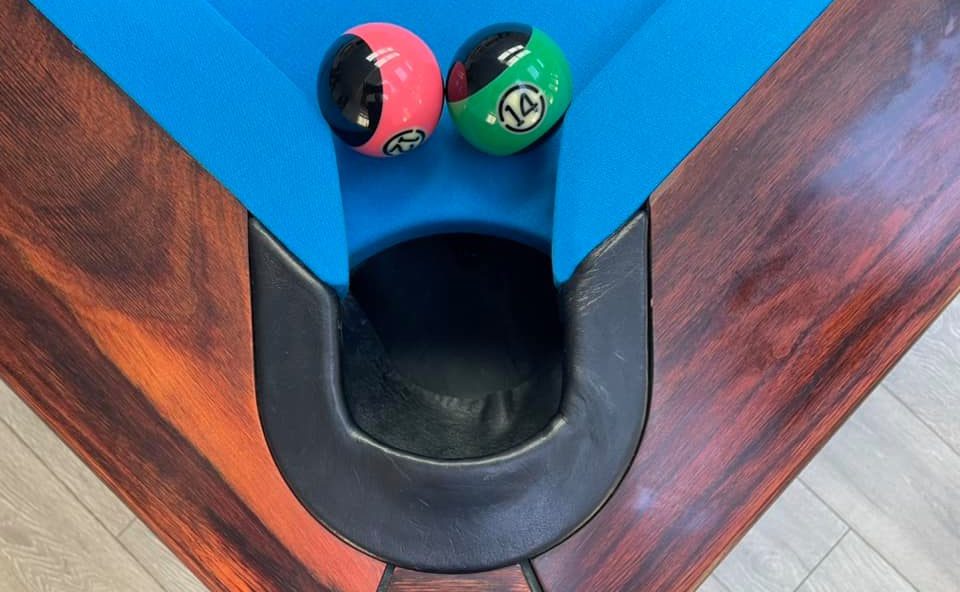
- Designated Pockets: Before the break shot, each player chooses one of the two corner pockets at the foot of the table as their target pocket. All balls that player legally scores must be pocketed in that specific pocket. The other foot pocket is assigned to their opponent. The remaining four pockets are neutral.
- Objective: The first player to legally pocket eight balls in their designated pocket wins the game.
- No Called Shots: Unlike other pool games, in One Pocket, it is not necessary to "call" the ball or the pocket. Any object ball legally pocketed in the player's designated pocket counts.
- Fouls and Penalties: Standard billiards fouls (such as pocketing the cue ball or failing to hit a rail after contact) have a unique and severe penalty: the player committing the foul must "spot" one of their previously pocketed balls (usually on the foot spot). If a player fouls without having pocketed any balls yet, they must spot the first ball they subsequently pocket. Committing three consecutive fouls results in the loss of the game.
- The Break: The break shot is crucial. The breaking player must make a legal shot, which involves either (1) pocketing a ball into their target pocket or (2) ensuring that, after the cue ball contacts an object ball, at least one ball (either the cue ball or an object ball) hits a rail.
The Art of Strategy in One Pocket: Beyond Simple Shot-Making
One Pocket is often compared to chess for its profound strategic depth. Every shot is a deliberation between offense and defense, risk and reward.
- The Primacy of Defensive Play: Perhaps more than in any other billiards discipline, defensive play (or "safety") is fundamental. Skilled players constantly seek to leave the cue ball in disadvantageous positions for their opponent, ideally near the opponent's pocket but without a clear shot, or forcing them into high-risk shots. Exquisite cue ball control is paramount.
- Calculated Offensive Maneuvers:
- "Moving" Balls: Rarely can a player pocket multiple balls in a single inning from the outset. A common strategy is to gradually "move" balls toward the side of the table where their pocket is located, creating future opportunities. This involves precise control of speed and spin.
- Creating Opportunities: Players actively look to create favorable situations, such as clustering balls near their pocket or setting up combinations and bank shots.
- Table Control: Dominating the center of the table and keeping balls away from the opponent's pocket are key long-term offensive tactics.
- The Strategic Sacrifice: Occasionally, a player might choose to pocket a ball in the opponent's pocket (conceding a point) if it allows them to gain a significant positional advantage or avoid a worse outcome.
- The Game of "Banks" (Bank Shots): The ability to execute bank shots (where an object ball rebounds off one or more rails before heading to the pocket) is an indispensable tool in a One Pocket player's arsenal. It opens up a range of offensive and defensive possibilities.
- The Mental Warfare: Patience is a supreme virtue. Games can be long and tense. The ability to maintain concentration, anticipate the opponent's moves, and not succumb to frustration often separates winners from losers. Specialized shots like "tickie shots" (glancing shots where the cue ball or an object ball is subtly nudged by another ball or rail towards a target) demonstrate the finesse required.
Key Skills for Success
To excel in One Pocket, a player must cultivate a diverse set of skills:
- Pinpoint Accuracy: The ability to pocket balls consistently, especially from challenging angles.
- Masterful Cue Ball Control: Fundamental for position on the next shot and, crucially, for playing effective safeties.
- Deep Understanding of Angles: Knowing how balls react to contact and rebound off rails.
- Iron Patience and Discipline: Resisting the temptation of risky shots and waiting for the right opportunity.
- Strategic Vision: Thinking several shots ahead, like a chess master.
Legendary Players: The Masters of the Craft
Over the years, many billiards greats have demonstrated their mastery of One Pocket. Among them stand out:
- Efren "Bata" Reyes: Widely considered one of the greatest players of all time in any discipline, the Filipino is a One Pocket legend, known for his astounding creativity and his ability to escape impossible situations.
- Shane Van Boening: A dominant player in the modern era, Van Boening has claimed numerous One Pocket titles, including multiple US Open One Pocket victories.
- Ronnie "Fast Eddie" Allen: A historical figure, Allen was one of the early great exponents of the game and helped popularize it. He is credited with introducing "power One Pocket."
- Mike Sigel: Known for his incredible cue ball control and defensive acumen, Sigel also left an indelible mark on this discipline.
- Other Greats: The One Pocket Hall of Fame includes numerous masters such as Cliff Joyner, Grady "The Professor" Mathews, Hubert 'Daddy Warbucks' Cokes, and many others who have contributed to the game's rich legacy.
Iconic Tournaments: Where Legends Are Forged
Several tournaments have become prestigious stages for One Pocket competition:
- Derby City Classic (DCC): This annual multi-discipline event, held in January, includes a highly competitive One Pocket division. Winning at the DCC is a coveted honor, and the event also crowns a "Master of the Table" based on overall performance across the different disciplines.
- US Open One Pocket Championship: Considered one of the most important titles specifically in this discipline, this tournament attracts the world's best players seeking to be crowned as United States champions.
Why One Pocket Captivates: An Intellectual and Enduring Challenge
One Pocket continues to fascinate players and spectators alike with its unparalleled strategic depth. It's not just a game of physical skill, but a mental battle where foresight, adaptability, and psychological fortitude are tested with every shot. Its reputation as the "thinking man's game" within billiards is well-deserved, ensuring its place as one of the most respected and challenging disciplines in the sport.
 Portugués
 Español
 English
 Français
 Italiano
 Deutsch
 Nederlands